Acid Reflux at Night? Why Stacking Pillows Is the Wrong Fix
If acid reflux wakes you at night, you have heard the standard fix: prop yourself up with pillows.
The instinct is right.
Raising your upper body genuinely cuts nighttime reflux, and the research backs it.
But the way most people do it, by stacking a few flat pillows under their head, is the wrong execution. It can leave you no better off, and sometimes worse.
The evidence: elevation works

This is one of the better-supported lifestyle fixes for reflux.
Reviews of treatment for nighttime reflux note that raising the head of the bed improves GERD symptoms and acid measurements. The angle uses gravity to keep stomach acid where it belongs while you lie flat for hours.
A controlled sleep study by Khan and colleagues put numbers on it. Raising the head of the bed significantly reduced the time the esophagus spent exposed to acid overnight, compared with sleeping flat.
So elevation is not folk advice.
The detail that matters is how you elevate.
Why a stack of pillows backfires
Here is what the quick tips miss.
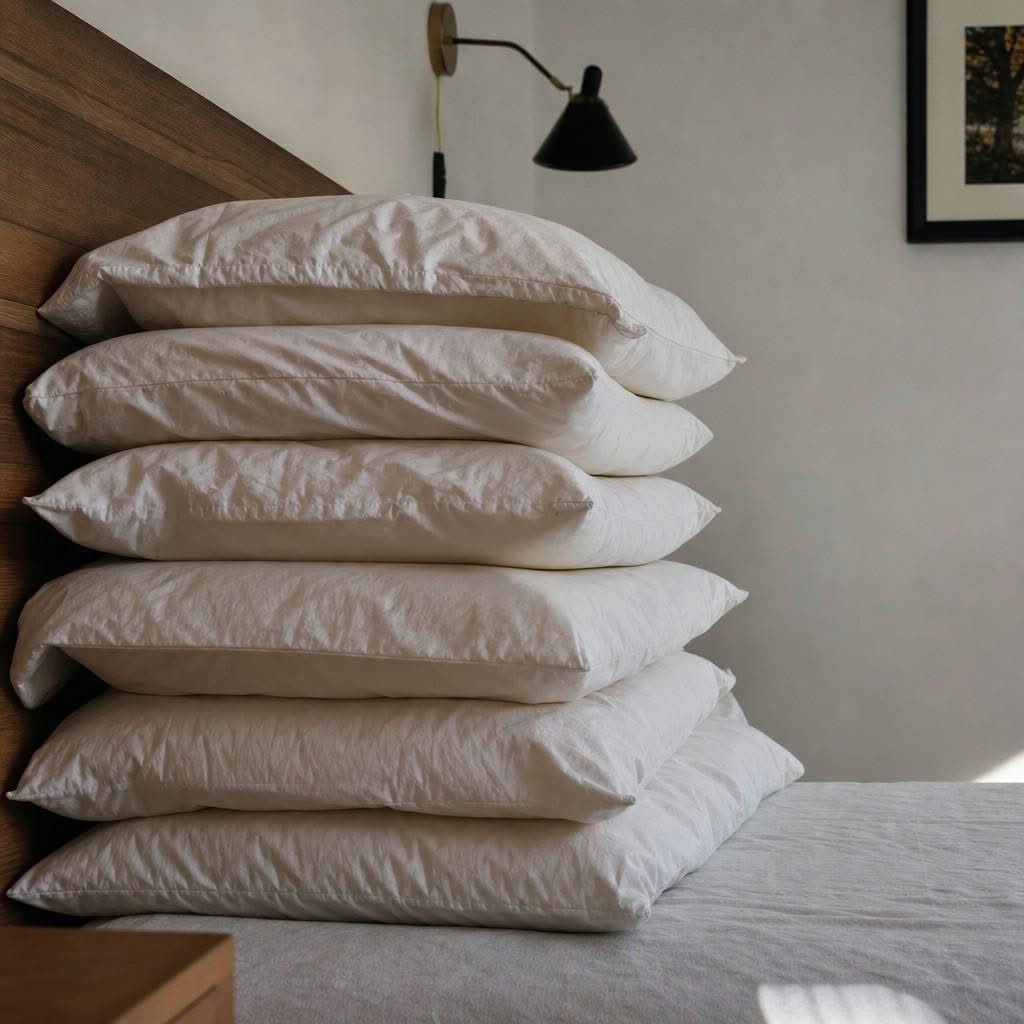
Piling up pillows raises your head, not your torso.
That creates two problems:
- It bends you at the neck, not the stomach. Your head tips forward while your belly stays flat, so the acid barrier gets little benefit and your neck takes the strain.
- It can fold your midsection. Hunching forward raises pressure on the abdomen, which can push acid up rather than hold it down.
- It does not last the night. Pillows shift and you slide off them, so you are flat again within an hour.
You wake with the reflux you started with, plus a sore neck. If a stack of pillows is your current setup, that combination is the clue it is not working.
The setup that actually works
The goal is a smooth, continuous incline from the waist up, not a bend at the neck. Two ways to get it:
- A wedge pillow. A foam wedge lifts your whole upper body at a steady angle. A gentle wedge pillow is the simplest option, and a firm bolster pillow can support the lower back on the incline.
- Raise the head of the bed. Put sturdy risers under the two legs at the head end, lifting it six to eight inches. This tilts the whole mattress, so you cannot slide off the angle.
Then add your sleeping side. Research consistently finds the left side produces the least acid exposure, less than the right side, the back, or the stomach. The stomach’s shape simply keeps acid lower when you lie on your left.
Keep a normal, supportive pillow for your head on top of the incline, so your neck still stays neutral. Our guide to pillow loft and the best pillow for neck pain cover that part.
Beyond the angle
Position is the lever you control at night, but a couple of habits make it work better.
- Stop eating about three hours before bed, so your stomach is emptier when you lie down.
- Go easy on late alcohol, caffeine, and large, fatty meals, which all loosen the valve at the top of the stomach.
What to do tonight
Skip the pillow tower. Lift your whole upper body on a wedge or raised bed head, sleep on your left side, and keep a proper pillow under your head.
That gives you the elevation the research supports, without the bent neck that comes from stacking.
If reflux is frequent, wakes you often, or comes with trouble swallowing or chest pain, see a doctor. Persistent nighttime reflux is treatable, and worth treating properly rather than propping around.